Overview
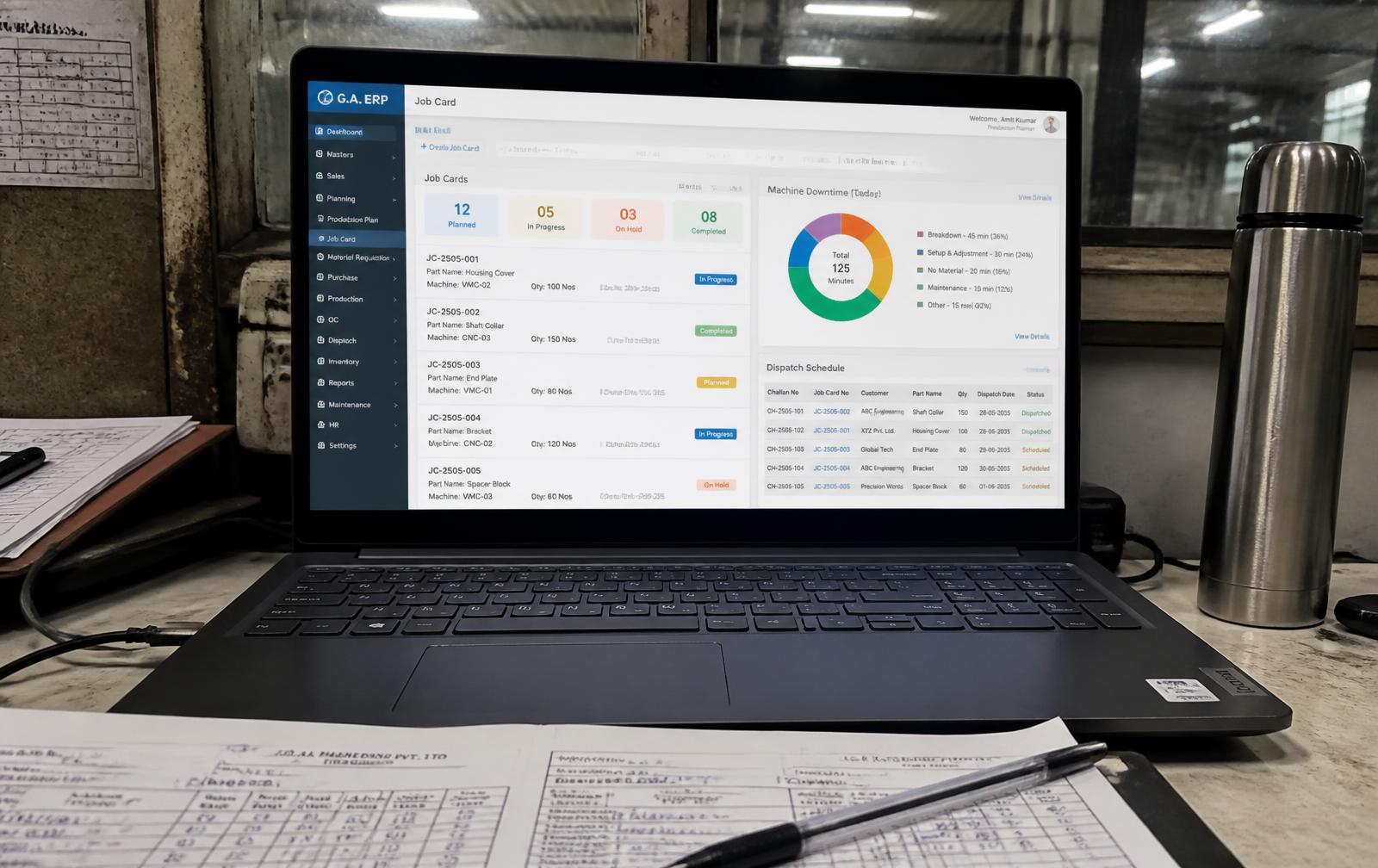
Six hospitals, three different systems, and one unit still running on paper registers. A patient treated in Nashik whose file sat in Ozar effectively arrived as a stranger. The queue formed twice — once to register, once to find out which department they needed. And the insurance desk was rejecting its own work: a fifth of claims came back over missing paperwork, not medical grounds.
The challenge
- Records did not travel with the patient between group hospitals.
- 34 minutes on average from walking in to sitting in front of a doctor, during morning peak.
- 21% of insurance claims rejected, almost all of it documentation, not clinical.
- Bed occupancy was known once a day, in the morning report.
How we approached it
One identity per patient, with consent
A single MRN across the group, access granted on patient consent, and every read written to an audit log. We ran this past their legal and medical superintendents before building it, because trust here is the product.
Triage that starts on WhatsApp, at home
Patients describe the problem in Marathi, Hindi or English before leaving the house. The agent asks follow-ups, suggests a department and books a slot. It never diagnoses — anything clinical goes to a doctor, and it says so plainly.
Claims assembled by the system, not chased by a clerk
Discharge cannot complete until the checklist for that insurer is satisfied, and the packet builds itself in the insurer's own format. The claims team went from assembling files to reviewing them.
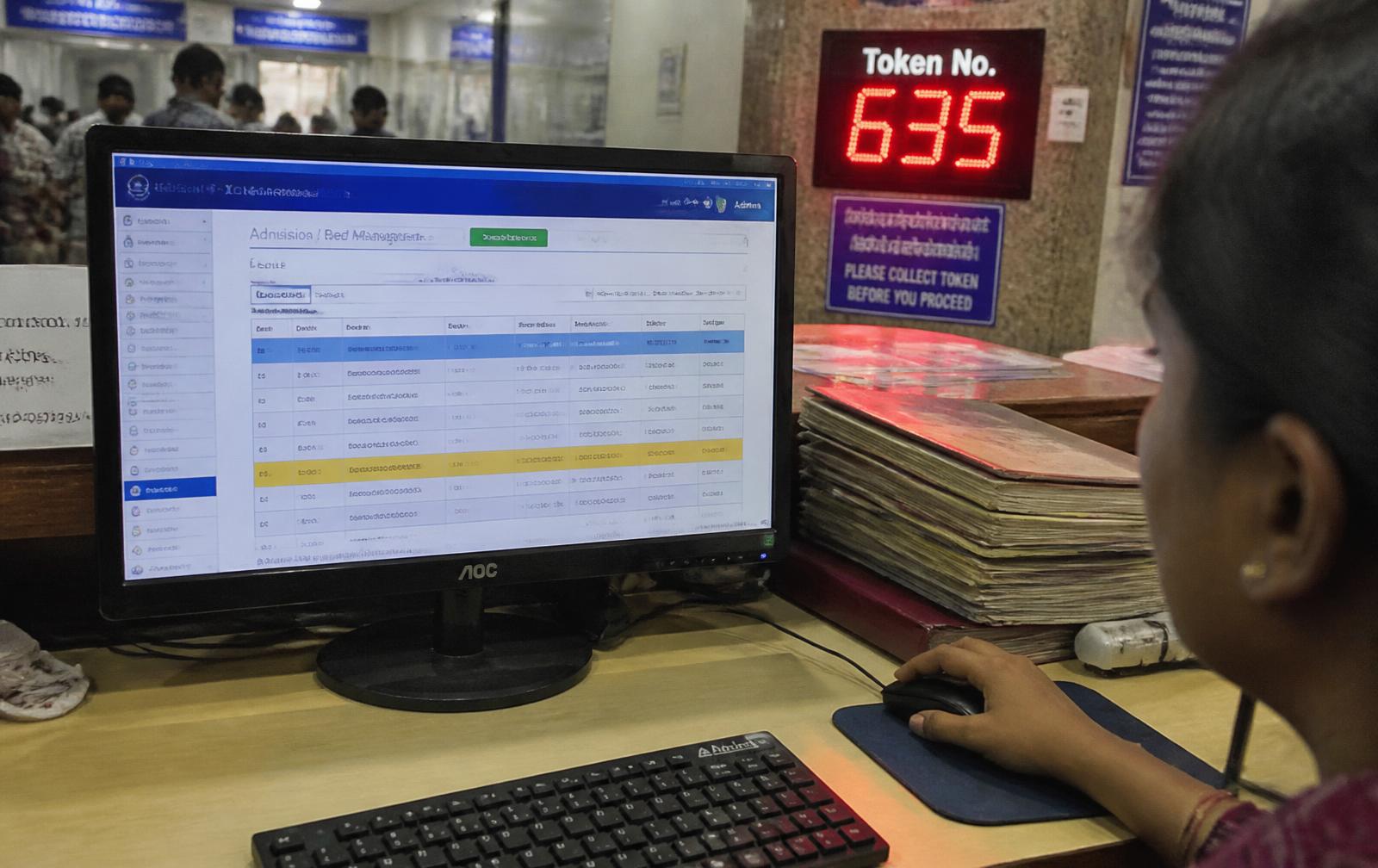
A live board instead of a phone hunt
Beds, OT slots and staff availability update as they change, so an admitting doctor stops making four calls to find a bed.
What we built
Technology stack
Frontend
- Next.js
- React
- Tailwind CSS
Backend
- Node.js
- PostgreSQL
- Queue workers
AI
- LLM triage agent
- WhatsApp Business API
The results
saved per admission
claim rejection rate
of intakes started on WhatsApp
hospitals on one platform
"I was against the WhatsApp agent for the first month. What changed my mind is that it hands over to a human the moment anything sounds clinical. Our front desk is no longer the bottleneck."